
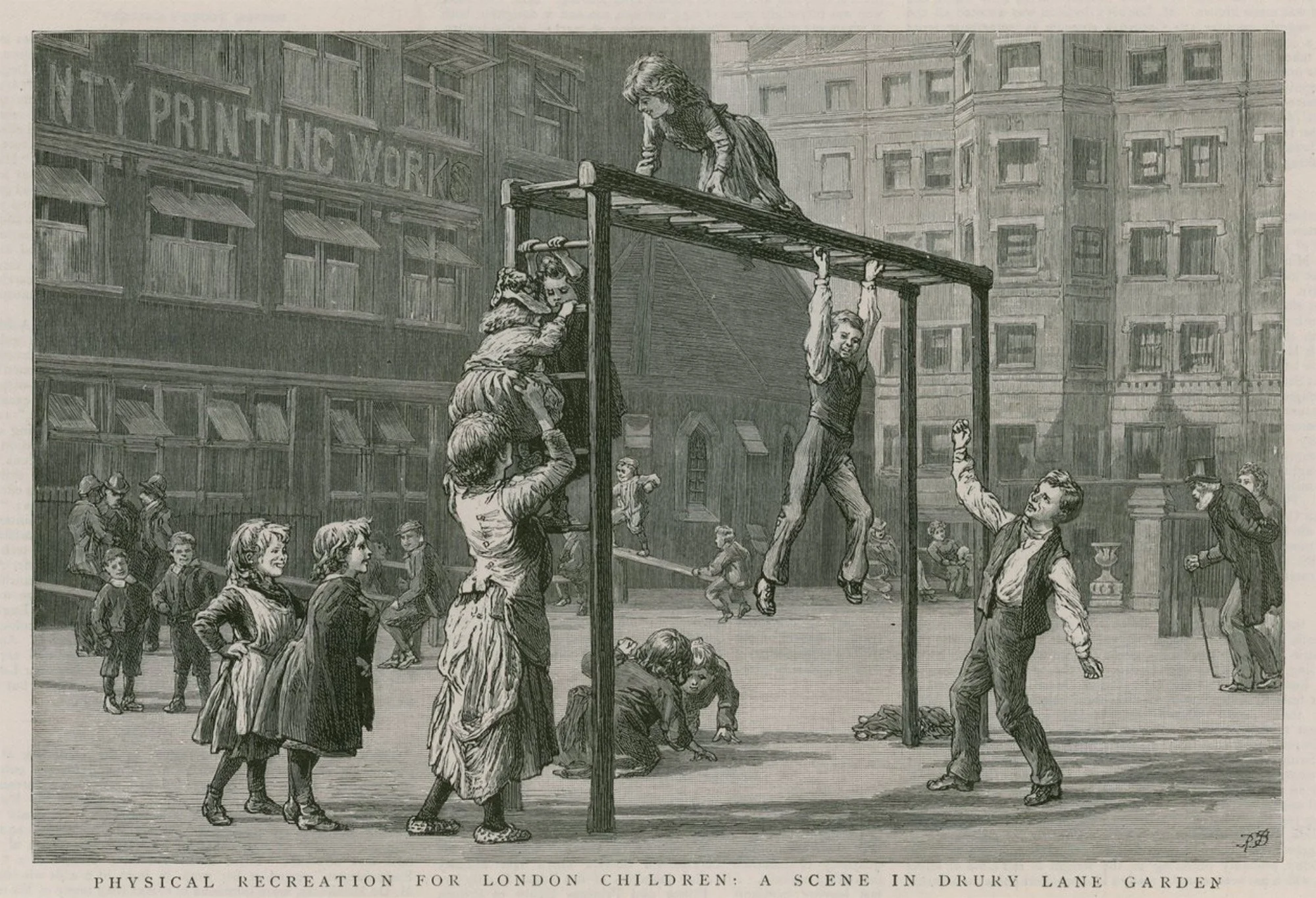
A Pioneer Public Space
Covent Garden Playground was the first heritage site to be saved by pioneering thinker, campaigner and social reformer Octavia Hill.
One of the founders of the modern environmental movement, and of the National Trust, Hill believed that people should have access to fresh air and open spaces and provided with playgrounds and parks near their houses.
In 1875 she wrote:
“There is a small, square, green churchyard in Drury Lane, and even the sight of its fresh bright verdure through the railings is a blessing; but if the gates could be opened on a hot summer evening, and seats placed there for the people, I am sure the dwellers about Drury Lane would be all the better for it”.
London’s churchyards had been closed to new internments for twenty years following the Metropolitan Burial Act of 1852, when burial places considered dangerous to health were closed.
The sight of these wasted plots in areas like Drury Lane, where there were no open spaces to allow local people to escape from the noise and smell of their tenements, was a source of great frustration to Hill and her supporters. For a time their efforts met with very little success. In her report of 1876 she wrote:
“We have tried earnestly this year to secure small open air sitting rooms for the people in various parts of London, hitherto without one atom of success. I think I never spent so much heart, time and thought on anything so utterly without apparent result. We tried for an East End boulevard with an avenue, and with spaces of green and flowers, an East End Embankment as it were, where the people might have strolled on summer evenings and sat out of doors, and we failed. We tried to get a Churchyard planted and opened in Drury Lane, and the matter has not progressed very far as yet.”
Hill closely connected cultural philanthropy to social reform and in 1877, with her sister Miranda, formed the Kyrle Society with the aim of bringing beauty, nature, arts and music to everyone.
The Society and campaign were almost immediately successful, Hill planted the disused churchyard on Drury Lane into a garden and play space at a cost of £160, opening it to the public on 1 May 1877; soon to be followed by former churchyards in Waterloo, Bloomsbury and Bethnal Green.
Her campaigning to protect areas from development led to the founding of ‘The National Trust for Places of Historic Interest or Natural Beauty’ in 1895. Hill helped the National Trust to buy and protect its first land and houses, continuing to fight for the preservation of the countryside for the next 17 years until her death in 1912.
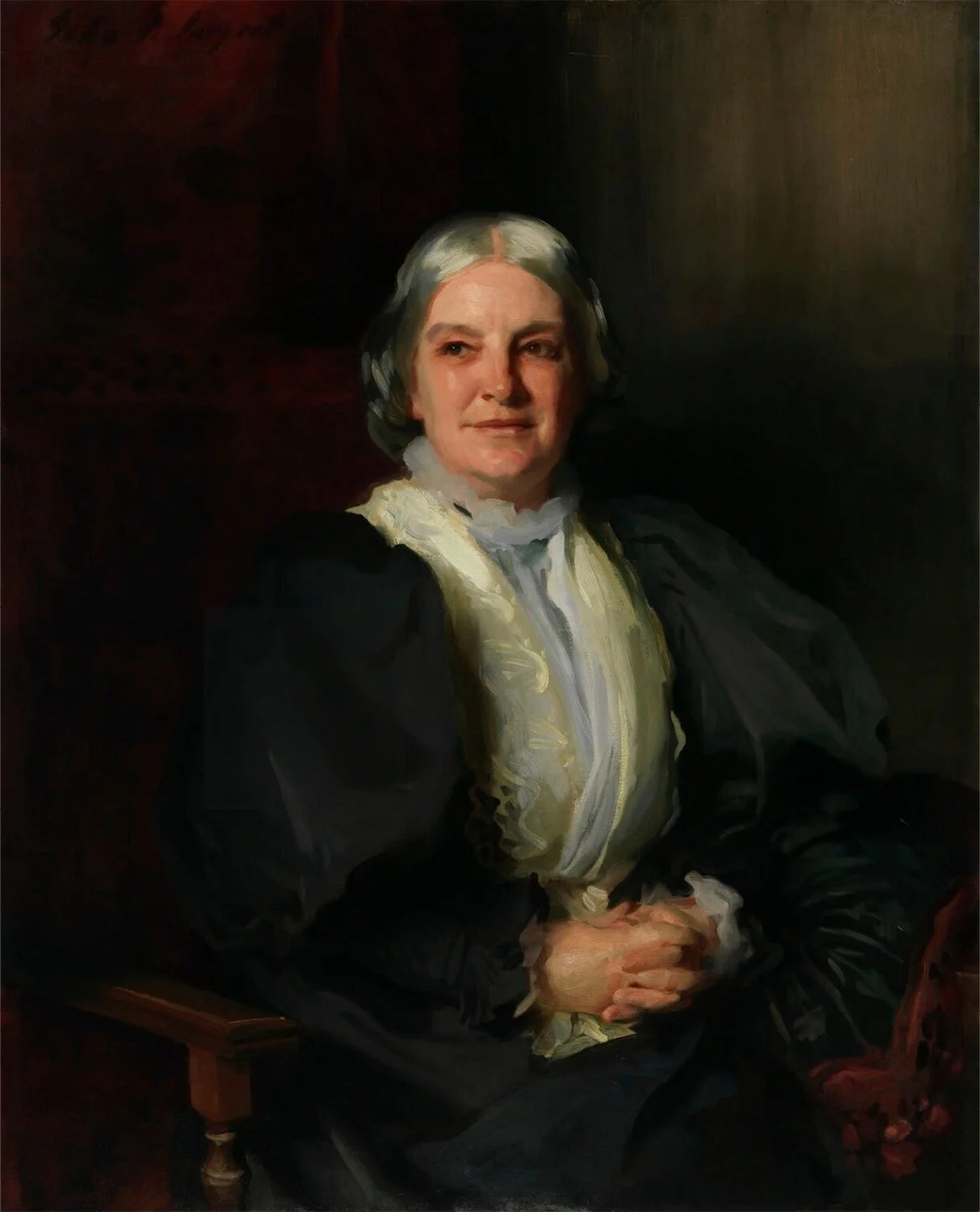
Octavia Hill (1838-1912), John Singer Sargent, 1898
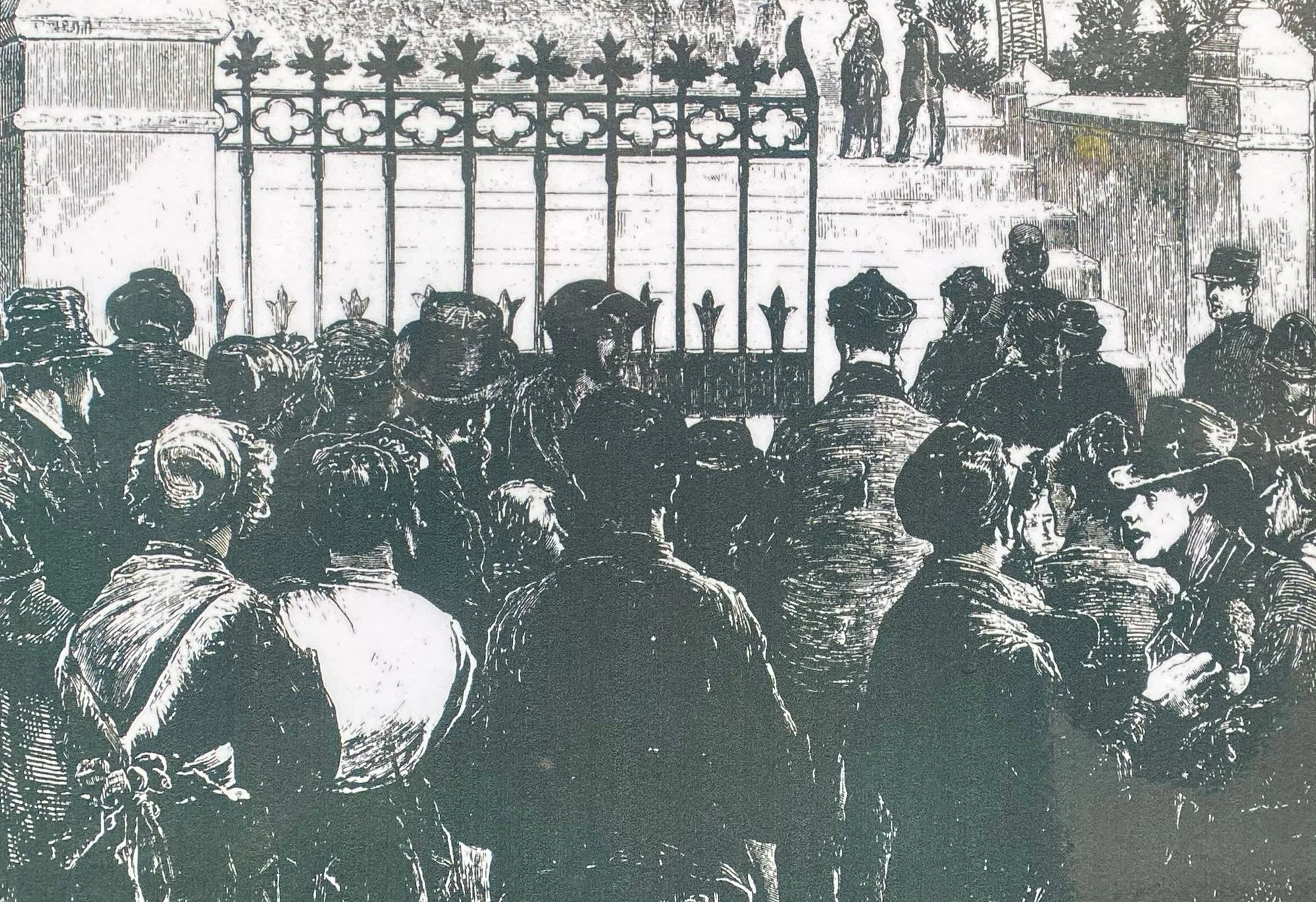
The opening of Covent Garden Playground on 1 May 1877
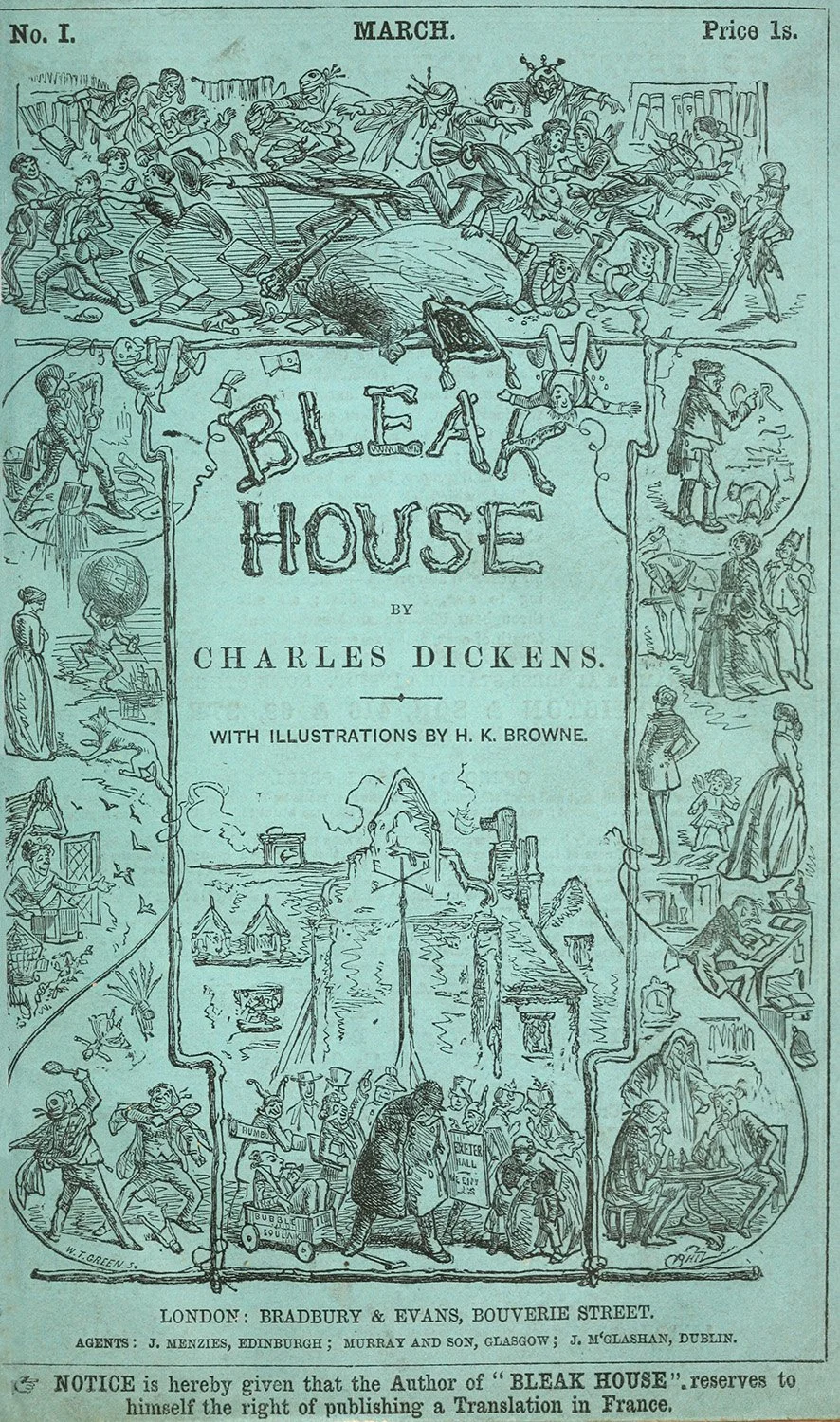
The churchyard features in Bleak House, 1852